

Free video slots Canada players find online are usually browser-based demos using virtual credits, not cash games. The casino free slots category can therefore be useful for testing a game without making a deposit, but the surrounding website still deserves attention. Free Slots is best approached as a game-testing resource: distinguish play-money access from an account service, avoid unnecessary data sharing, and treat any move to real-money gambling as a separate decision.
What does a free slot site actually provide?
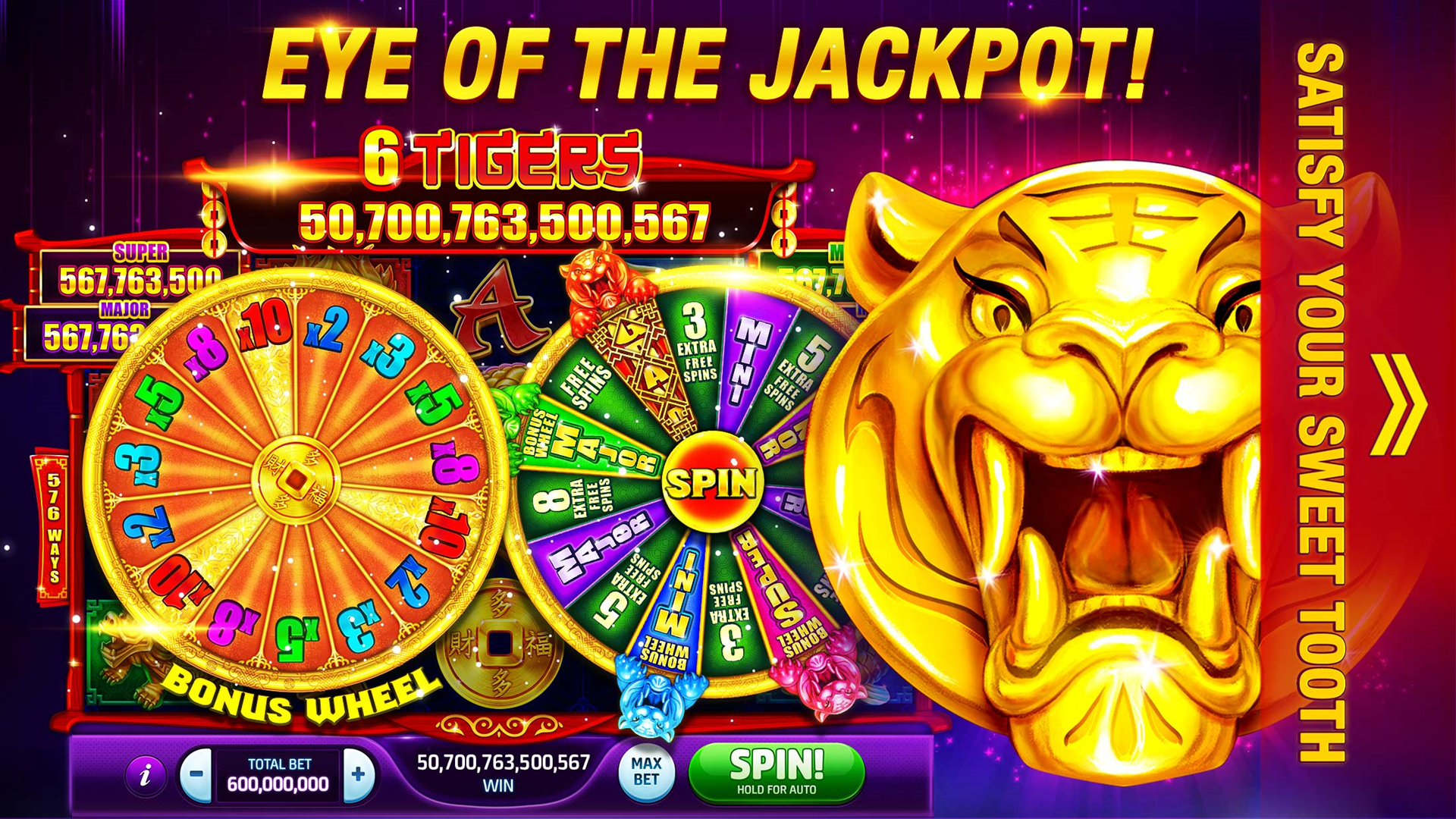
A standard free slot loads a playable version of a video slot in a desktop or mobile browser. It may reproduce the reels, paylines or ways to win, wild symbols, scatters, cascades, multipliers, bonus rounds and other visible mechanics. The balance is made up of virtual credits, so a winning result remains part of the demonstration rather than becoming a cash balance.
Many independent libraries allow immediate play without an account, download or deposit. Selecting a title may launch the game and supply a temporary balance automatically. If the page is refreshed, browser storage is cleared or another device is used, the virtual balance and session may reset. That is normal for a no-registration demo and is different from losing funds in a financial account.

Do not confuse three commonly blurred terms. A demo slot is a play-money version. Free spins are usually a promotion attached to a real-money account and can carry expiry, wagering, game, bet or conversion conditions. A free tournament may also require registration before prizes can be claimed. The word “free” alone does not explain whether personal information, payment details or promotional terms are involved.
How can you assess a demo page before using it?
Begin with the page itself rather than the game’s theme. Check whether it clearly says demo, free play or virtual credits, and look for an explanation that winnings have no cash value. A genuine play-money presentation should not imply that a virtual balance can be withdrawn or transferred. If the wording is vague, avoid assuming that “free” means no account or no payment obligation.
Next, examine what the page asks for before the game opens. A pure demo normally needs little more than a browser. An email address, date of birth, province, password or identity document may indicate that the experience is hosted inside an account system rather than offered as unrestricted practice. That does not automatically make the page unsafe, but the request should have a clear purpose and be explained in accessible terms.
Use sensible browser precautions as well. Check the address bar, avoid entering passwords you use elsewhere, and do not install unknown software merely to launch an HTML5 game. The Canadian Centre for Cyber Security provides official online security guidance that can help readers review general digital-safety habits. A free game does not justify ignoring ordinary precautions around links, downloads or personal data.
Which information should remain private?
For ordinary demo play, payment information is unnecessary. Do not provide a card number, bank login, Interac credentials, cryptocurrency details or identity documents to obtain virtual credits. Demo winnings cannot be converted into a bank card, e-wallet, casino balance or other payment method, so requests for financial information deserve particular caution.
Email details also deserve thought. An account may be useful for favourites, saved games, rankings or recovery, but it creates an ongoing relationship with the website. Before registering, look for a privacy notice explaining what information is collected, why it is needed, how long it is retained and whether marketing messages are involved. If those details are missing or difficult to understand, staying with no-account play may be the more proportionate choice.
Never reuse an important password on a casual gaming account. If registration is genuinely needed, use a unique password and protect the email account connected to it. Be cautious of messages requesting a password, payment, verification code or urgent action. A demo site should not need your email password, banking credentials or one-time security code. If a request seems unrelated to opening a play-money game, stop before submitting it.
When does demo play become a different kind of account?
The boundary changes when a website asks you to create a profile, join a tournament, claim a promotion or open a real-money account. A profile may store favourites and preferences, while a casino-hosted account can connect demo access with age, location, payment and identity controls. These are materially different from launching a temporary game with virtual credits.
Moving to real-money play can introduce registration, age or location checks and identity verification. Depending on the operator and province, the process may involve government-issued photo identification, proof of address or payment-method confirmation. Those requirements belong to the specific operator and product. Access to a demo does not prove that the linked real-money service is authorized, available or suitable in every Canadian province.
Promotions create another point of confusion. No-deposit free spins may still require an account, have province restrictions or impose expiry and wagering conditions. A deposit-before-play request is not a normal feature of a no-deposit demo. Read the operator’s stated requirements independently, and do not treat a virtual win, a promotional message or a link from a demo library as evidence that cash play will be available under the same terms.
What should you do if the site changes the terms?
Pause when a previously open demo suddenly requests registration, payment or identity information. Record what changed, close unrelated pop-ups and review the page’s privacy and terms information. If the game can be played elsewhere without the new requirement, there is little reason to surrender additional data simply to preserve a temporary virtual balance.
If you already submitted information, change any reused password immediately and secure the email account connected to the profile. Monitor payment accounts if financial details were entered, and contact the relevant financial institution through its official channel if anything suspicious appears. Do not respond to follow-up messages by clicking their embedded links; use a known address or official app instead.
Finally, keep the purpose of demo play narrow. It can help you understand paylines, bonus triggers, volatility descriptions and controls without risking a deposit. It cannot verify a specific real-money configuration, predict a short session or establish that a casino is licensed. Treat the demo as a low-stakes technical preview, then make a separate, evidence-based decision about whether any account should be created.
Free-slot safety questions
Can a demo slot pay out virtual winnings?
It can display wins and increase a virtual balance, but ordinary demo credits have no cash value. They cannot be withdrawn, transferred to a payment method or converted into a real-money casino balance. If a site promises cash for ordinary demo results, read the conditions carefully because it is describing a different product.
Should a free demo require identity verification?
Many no-registration demos do not require identity checks because there is no deposit or withdrawal. A casino-hosted demo may request account, age or location information, however. Ask why the data is needed and review the operator’s requirements before continuing. Never provide documents merely because a temporary game displays a winning result.
Does demo access prove real-money availability in Canada?
No. A game may be visible in free mode while the corresponding real-money casino, title or account service differs by operator and province. Demo access does not confirm licensing, eligibility, payment support or legal availability. Those points must be checked against the specific operator’s current information before any real-money decision.